Sunfire Tribal Warrior Embroidery: A Designer’s Review
When I first loaded the Sunfire Tribal Warrior Embroidery into my digitizing software, I wasn’t just looking at a graphic; I was evaluating a potential centerpiece for a client’s custom apparel line. As an experienced designer and embroidery product reviewer, I look past the initial visual appeal to assess how a design translates from screen to stitch. This piece, categorized under Around The World, promises a bold aesthetic, but does it hold up under the needle? Let’s break down its performance in real-world embroidery projects.
First Impressions and Visual Impact
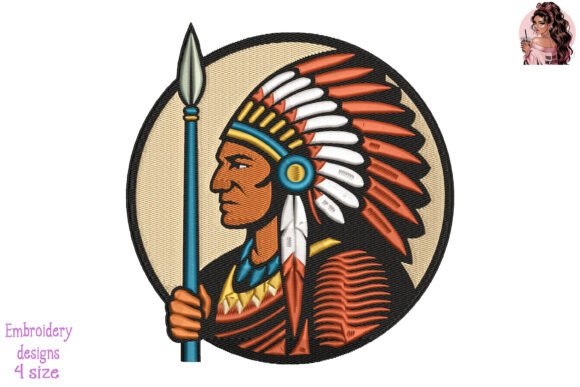
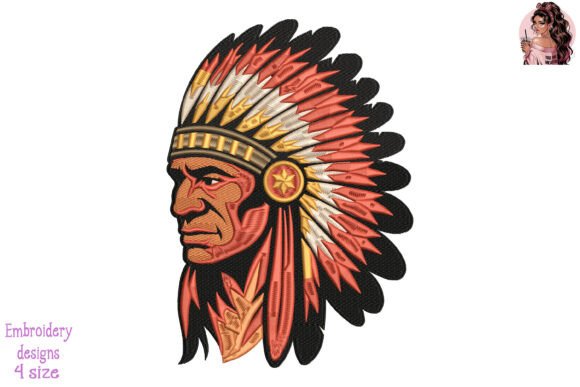
The immediate mood of this design is intense and energetic. It depicts a fearless warrior infused with the blazing energy of the sun, radiating with fiery tones of gold, orange, and crimson. For a designer, the layout is crucial. The intricate tribal elements suggest a high level of detail, which can be both a blessing and a curse depending on the application. The visual personality is strong, making it ideal for projects that need to command attention rather than blend into the background.
In terms of shape and theme, the design balances organic curves with sharp, angular tribal motifs. This contrast creates dynamic movement, which is essential for keeping the viewer’s eye engaged. However, from a technical standpoint, these sharp corners require precise machine calibration to avoid thread breaks or puckering. The color palette is warm and vibrant, suggesting that this design will pop beautifully against neutral or dark fabrics, but might get lost on busy prints or light pastels without proper outlining.
Real-World Application: The Custom Sweatshirt Test
To truly evaluate the Sunfire Tribal Warrior Embroidery, I imagined a specific real-life scenario: creating a limited-edition run of custom sweatshirts for a boutique fitness brand. The goal was to create a handmade product that felt premium and durable. I placed the design on the left chest area of a heavyweight cotton blend sweatshirt.
The result was striking. The fiery tones of the warrior stood out aggressively against the charcoal grey fabric, creating a sense of power and motion. Customers reacting to such a bold custom apparel piece are likely to perceive higher value due to the complexity of the imagery. It transforms a basic garment into a statement piece. However, I noted that the density of the fill stitches required a robust stabilizer to prevent the fabric from pulling or distorting during the stitching process. For small business owners and Etsy sellers, this means you cannot cut corners on your hooping technique if you want a professional finish.
Versatility Across Product Types
Beyond sweatshirts, this design has potential across various embroidery project types. Here is where it shines and where it struggles:
- Tote Bag Design: On canvas totes, the bold lines hold up well. The rugged nature of the tribal warrior complements the utilitarian feel of a tote, making it a great small shop product.
- Embroidered Patch: This is perhaps the best use case. Creating a dense, satin-stitch bordered patch allows for high detail without worrying about fabric stability. It becomes a versatile design asset that customers can iron onto jackets or bags.
- Caps and Hats: Caution is advised here. The curved surface of a cap distorts wide designs. If you attempt this on a cap, ensure the width fits within the standard 2.5-inch height constraint of most cap frames, or consider resizing significantly, which may lose some of the intricate tri details mentioned in the description.
- Baby Embroidery: I would avoid this for baby items. The aggressive theme and dense stitch count are not suitable for delicate skin or soft, stretchy baby fabrics.
Technical Considerations for Stitching Clarity
When working with a complex machine embroidery design like this, technical execution is everything. The description mentions intricate details, which implies a mix of satin stitch for borders and fill stitch for the body of the warrior.
Stitch density is a critical factor. If the density is too high, the thread will bunch up, creating a stiff, cardboard-like feel on the back of the finished product. If it is too low, the fabric underneath will show through, ruining the vibrancy of the gold and crimson threads. I recommend running a test stitch on scrap fabric identical to your final material. Check for thread breaks at the sharp turns of the tribal patterns. These are common failure points in digital embroidery files.
Additionally, consider the thread colors. While the design calls for gold, orange, and crimson, the actual shade of your thread brand matters. A metallic gold thread can add a luxurious sheen but is prone to breaking. A standard rayon gold might be more durable for items that need frequent washing, such as holiday embroidery gifts or daily-wear apparel.
Where to Use Carefully
Not every fabric is a candidate for this design. Avoid using it on:
- Thin or Stretchy Fabric: Without a heavy cut-away stabilizer, the weight of the stitches will cause severe puckering.
- Textured Fabrics: Towels or fleece may swallow the finer details of the warrior’s features, making the design look muddy from a distance.
- Dark Fabric Without Underlay: Ensure your digitizer has included proper underlay stitches to prevent the dark fabric from peeking through the lighter orange and gold sections.
Enhancing Brand Consistency and Buyer Engagement
For craft business owners, consistency is key. The Sunfire Tribal Warrior Embroidery offers a distinct visual style that can help build brand recognition. If your shop specializes in bold, mythological, or energetic themes, this design fits seamlessly into your catalog. It enhances the perceived professionalism of your personalized gift offerings because it looks complex and expensive to produce.
When creating printable mockup images for your online store, ensure you photograph the stitched result in good lighting. The interplay of light on the satin stitches can highlight the quality of your work. Buyers engage more with products that show texture and depth, so close-up shots of the warrior’s details can significantly boost conversion rates.
Practical Designer Notes
Before you commit to producing this design for commercial sale, keep these practical tips in mind:
- Check Licensing: Always confirm whether the digital embroidery file comes with a commercial license. You need to know if you can sell the finished product or if it is for personal use only.
- Test Hoop Size: Verify the maximum dimensions of the design. Ensure it fits comfortably within your machine’s largest hoop to minimize re-hooping errors.
- Contrast Check: View the design in black and white on your computer screen. If the details disappear in grayscale, the contrast between stitch types may be insufficient, leading to a flat-looking final product.
- Stabilizer Selection: For this level of detail, a medium-weight cut-away stabilizer is usually safer than tear-away, especially for garments that will be washed repeatedly.
In conclusion, the Sunfire Tribal Warrior Embroidery is a powerful tool for designers who understand its technical demands. It is not a beginner-friendly "click and stitch" file, but for those willing to test and refine their process, it offers a high-impact visual that can elevate any commercial embroidery project. By respecting the fabric constraints and optimizing your thread choices, you can turn this digital asset into a tangible, high-value product that resonates with customers seeking bold, artistic expression.