Review: Layers of Utah Embroidery Files for Makers
As an embroidery designer who spends countless hours digitizing and stitching out designs, I have learned that not every digital file translates well to fabric. When I first encountered the Layers of Utah Embroidery Files on Creative Fabrica, I was immediately drawn to the visual potential. This is not just a generic graphic; it is a thoughtfully constructed applique design that promises to bring depth and texture to handmade projects. For those of us creating goods for the North America market, regional pride items are always in demand, but they must be executed with precision to stand out.
I decided to review this product from the perspective of a small business owner looking to expand their catalog. My goal was to determine if these files were suitable for real-world commercial use, such as custom apparel, home decor, and personalized gifts. Here is my honest evaluation of how this design performs in a professional workshop setting.
First Impressions and Visual Appeal
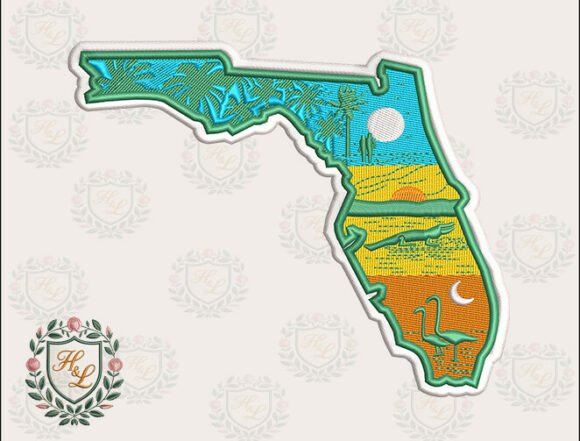
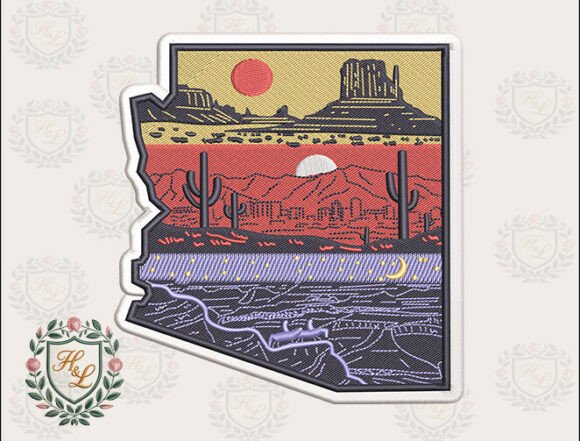
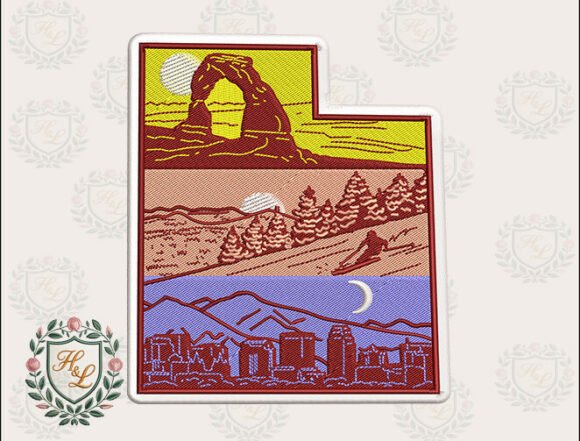
The immediate standout feature of the Layers of Utah Embroidery Files is the layering effect. In machine embroidery, achieving a sense of depth without excessive stitch count can be challenging. This design utilizes smart segmentation, likely relying on a combination of fill stitch areas for the base layers and clean edges for the overlays. The aesthetic is modern yet rustic, fitting perfectly with current trends in boutique merchandise.
Visually, the design suggests a high level of decorative appeal. It does not look like a flat, one-dimensional print. Instead, it mimics the look of layered paper or fabric cuts, which adds significant value to the finished product. For Etsy sellers and craft fair vendors, this visual complexity can be a major selling point. Customers often perceive layered designs as more labor-intensive and higher quality, even when the digitization handles the heavy lifting efficiently.
Practical Application in Real Projects
I evaluated this design against several common project types to see where it shines. The product description highlights shirts, tote bags, pillows, and festive decorations, and I agree with these recommendations. However, let us dig deeper into specific applications.
- Custom Apparel: This design works exceptionally well on sweatshirts and t-shirts. The applique nature means less bulk on the back of the garment compared to a full density fill, making it more comfortable to wear. For sweatshirt embroidery, ensure you use a cut-away stabilizer to support the weight of the fabric layers.
- Tote Bag Design: Canvas tote bags are sturdy enough to handle the structure of this design. The layered look adds a professional touch that elevates a simple bag into a branded item. It is ideal for local shops or tourism-related souvenirs.
- Home Decor: Pillow covers and kitchen towels benefit from the crisp lines of this file. On textured fabrics like linen or waffle weave, the smooth satin or fill stitches provide a nice contrast. Just be mindful of the fabric grain when positioning the layers.
- Embroidered Patch: If you plan to make patches, this design could work on twill. However, you must check the edge finishing. Applique designs usually require a satin stitch border to prevent fraying. Verify that the file includes a complete border before cutting your fabric.
Technical Considerations for Stitching
While the design is beautiful, successful execution depends on technical preparation. As an experienced designer, I always advise checking the specifics before hitting "start" on your machine. Since the product details do not specify exact stitch counts or hoop sizes, you must review the file information on the Creative Fabrica product page before purchasing.
Fabric and Stabilizer Choices
Because this is an applique design, fabric selection is critical. You will need to place the background fabric, stitch the placement line, lay down your applique fabric, and then stitch the tack-down and finish lines. For dark fabrics, ensure your thread colors have enough contrast. A running stitch is often used for placement, so make sure it is visible enough to align your fabric accurately but not so dense that it leaves marks on delicate materials.
Handling Curved Surfaces
If you are applying this to caps or curved surfaces, be cautious. Layered designs can sometimes pucker if the tension is too tight. Use a strong stabilizer, such as a stiff fusible backing, to keep the layers flat. Test on a scrap piece of similar material first. This step is non-negotiable for maintaining brand consistency and customer trust.
Stitch Density and Washability
One advantage of applique is reduced stitch density. This means the design is less likely to distort stretchy fabrics. However, for items that need frequent washing, like baby blankets or kitchen towels, ensure all edges are securely stitched. Inspect small details after stitching to confirm there are no loose threads or gaps that could unravel in the wash.
Enhancing Product Value and Branding
Using high-quality assets like the Layers of Utah Embroidery Files can significantly impact your business metrics. A well-executed embroidered item photographs better. The texture and shadow created by the layers add dimension to product photos, which increases click-through rates on platforms like Etsy or Shopify.
Furthermore, this design supports brand consistency. If your shop focuses on regional pride or rustic aesthetics, this file fits seamlessly into that narrative. It allows you to create a cohesive collection of products, from aprons to nursery decor. Buyers appreciate when a seller offers matching items, as it simplifies their gift-giving process. A personalized gift featuring this design feels thoughtful and unique, rather than mass-produced.
Final Verdict for Creative Entrepreneurs
Is the Layers of Utah Embroidery Files worth downloading? For designers who understand the nuances of applique work, yes. It offers a versatile foundation for various commercial embroidery projects. It is not a "plug-and-play" solution for beginners who might struggle with fabric alignment, but for those with experience, it is a valuable tool.
Before you begin your next batch of orders, remember to:
- Download the sample or view the detailed preview on Creative Fabrica to confirm hoop size compatibility.
- Check the license terms to ensure commercial use is permitted for your specific business model.
- Create a printable mockup to visualize color combinations before cutting expensive fabric.
- Test stitch on scrap fabric to adjust tension and thread colors.
In the competitive world of handmade products, quality and presentation are everything. This design provides the artistic flair needed to capture attention, while the applique technique keeps production efficient. By combining this digital embroidery file with skilled craftsmanship, you can create finished products that resonate with customers and stand the test of time. Whether you are decorating a tote bag for a local market or creating custom apparel for a boutique, this file serves as a reliable asset in your creative toolkit.