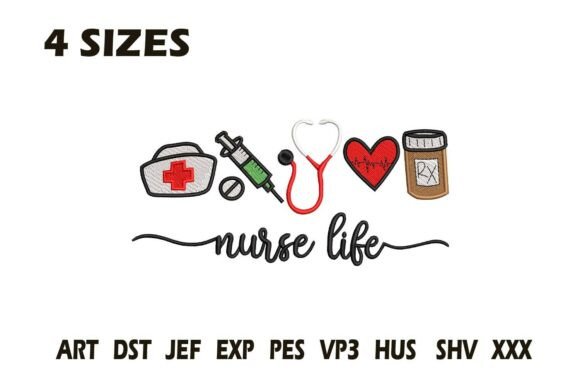
Nurse Life Embroidery Design Review
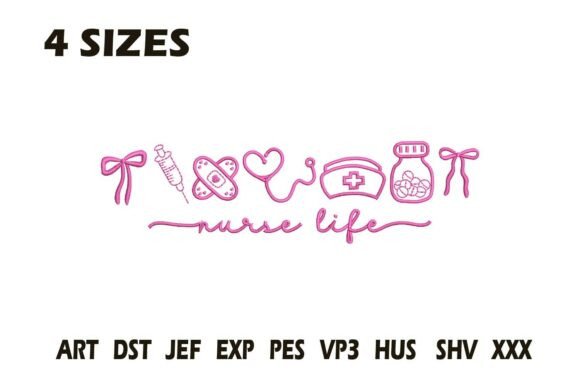
As an embroidery designer who has spent years digitizing files for small businesses, I approach every new machine embroidery design with a critical eye. It is not enough for a file to look cute on a screen; it must perform under the needle, withstand industrial washing, and elevate the brand identity of the client using it. Today, I am reviewing the Nurse Life Embroidery Design, a file categorized under Work and Embroidery, to determine its viability for commercial use.
The product description promises to bring charm to fabrics with a playful and whimsical touch. For boutique owners, Etsy sellers, and apparel decorators, this initial impression is crucial. A design that feels too juvenile may alienate professional healthcare workers, while one that is too stiff fails to capture the human side of nursing. Based on the title and description, this design appears to strike a balance between friendly and decorative, making it a strong candidate for small business merch that aims to connect emotionally with customers.
First Impressions and Visual Personality
When evaluating a digital embroidery file, the first thing I look for is the intended vibe. The Nurse Life Embroidery Design leans heavily into a playful aesthetic. This is significant because the healthcare industry is shifting toward more personalized, comforting uniforms and accessories. Nurses are no longer just wearing sterile scrubs; they are expressing individuality through cap embroidery, tote bag design accents, and custom aprons.
This design feels handmade and approachable rather than corporate or cold. For a creative studio or a boutique selling nurse-themed gifts, this visual personality is an asset. It suggests warmth and care, which aligns perfectly with the values of the nursing profession. However, designers must ensure that "playful" does not translate to "messy" in the final stitch-out. The charm must be controlled to maintain a premium look.
Real-World Business Applications
The true test of any embroidery file is its versatility across different products. Here is how I envision the Nurse Life Embroidery Design performing in real business scenarios:
- Embroidered Patches: This is perhaps the strongest use case. A patch allows for high-quality stitching on a stable background before being applied to various garments. It creates a durable, high-value finished product that can be sold separately or added to jackets and bags.
- Staff Uniforms and Aprons: For local clinics or private care agencies, adding this design to apron embroidery adds a layer of professionalism mixed with personality. It helps staff feel like part of a cohesive team while retaining their individuality.
- Tote Bags and Caps: As a tote bag design or cap embroidery, it serves as subtle branding. Nurses often carry heavy loads, and a sturdy tote with a whimsical yet relevant design is both functional and fashionable.
- Etsy Branding and Customer Gifts: Handmade brands can use this as a value-add. Stitching it onto a small towel or a thank-you card envelope enhances the unboxing experience, boosting buyer engagement and perceived value.
For commercial embroidery projects, consistency is key. If you are producing bulk orders for a hospital gift shop, this design needs to hold up across hundreds of units. Its playful nature makes it ideal for customer gifts, event merch, and craft business assets where emotional connection drives sales.
Technical Considerations and Limitations
While the concept is strong, technical execution determines success. There are specific areas where the Nurse Life Embroidery Design should be used carefully. Small patch sizes can be problematic if the design relies on fine details. If the whimsical elements include tiny lettering or intricate outlines, they may merge together when scaled down for a chest logo accent or a small badge.
Curved surfaces, such as the front of a cap, require careful digitizing. High stitch density on a curved surface can cause puckering, especially on lighter fabrics. Additionally, textured fabric like terry cloth towels requires higher density to prevent the fabric from showing through, but too much density can make the item stiff and uncomfortable. Dark uniforms present another challenge; if the thread colors do not have sufficient contrast, the playful details may get lost. Always check if the design includes underlay stitches suitable for dark materials.
Items that need frequent washing, such as scrubs and towels, demand robust construction. Ensure the design does not have long jumps or loose threads that could snag in industrial laundry machines. The durability of the finished product is paramount for work-related apparel.
Impact on Brand Identity and Trust
Using a well-executed design like Nurse Life Embroidery Design significantly affects brand identity. For small business owners, every stitch communicates quality. A clean, professional embroidery job builds customer trust and recognition. It signals that the brand cares about details, which translates to perceived professionalism.
Visual consistency across your product line is essential. If you use this design on a tote bag, ensure the thread colors match your broader brand palette. This coherence strengthens brand recall. Furthermore, a distinctive design helps differentiate your handmade product from mass-produced alternatives. In a crowded marketplace, unique design assets are what drive buyer engagement and justify higher price points.
Practical Designer Notes for Production
Before running a full production batch, follow these practical steps to ensure the best results with the Nurse Life Embroidery Design:
- Test in Black and White: Print the design outline in grayscale to check for clarity. If the details disappear in black and white, they may be too fine for small-scale embroidery.
- Check Scale Viability: Verify if the design works at small patch size. Resize it to your intended dimensions and inspect the preview for potential stitching issues.
- Review Thread Color Contrast: Select thread colors that pop against your base fabric. For dark uniforms, consider using metallic or bright cotton threads to enhance visibility.
- Inspect Spacing and Density: Look for areas where stitches might overlap excessively. Adjust stitch density if necessary to prevent bulkiness.
- Confirm Hoop Size: Ensure the design fits within your available hoop size without requiring excessive re-hooping, which can lead to misalignment.
- Test on Real Fabric: Never rely solely on digital simulations. Stitch a sample on the actual fabric type you plan to use, whether it is denim, cotton, or polyester blend.
- Use Proper Stabilizer: Choose a stabilizer that complements the fabric texture. Cut-away stabilizers are often best for items that will undergo frequent washing.
- Create a Printable Mockup: Generate a printable mockup for client approval. This helps manage expectations and ensures the client understands the final look.
- Compare with Other Assets: Place the design beside your other design assets to ensure it fits your overall aesthetic.
- Confirm Commercial Licensing: Before using the file for business use, verify the license terms. Ensure you have the right to sell physical products featuring this digital embroidery file.
The product description notes that this file is perfect for stitching on t-shirts, towels, and home decor. However, it does not specify exact stitch count, file format, or hoop size. Therefore, I strongly advise readers to check those details in the download package before production. Knowing the file format (such as PES, DST, or JEF) is critical for compatibility with your embroidery machine.
In conclusion, the Nurse Life Embroidery Design offers a charming, versatile option for small business merchandise. When handled with technical precision and strategic branding, it can become a staple in your commercial embroidery portfolio. By focusing on quality execution and understanding the nuances of fabric and stitch, you can transform this playful design into a profitable, professional asset for your brand.